
Product description
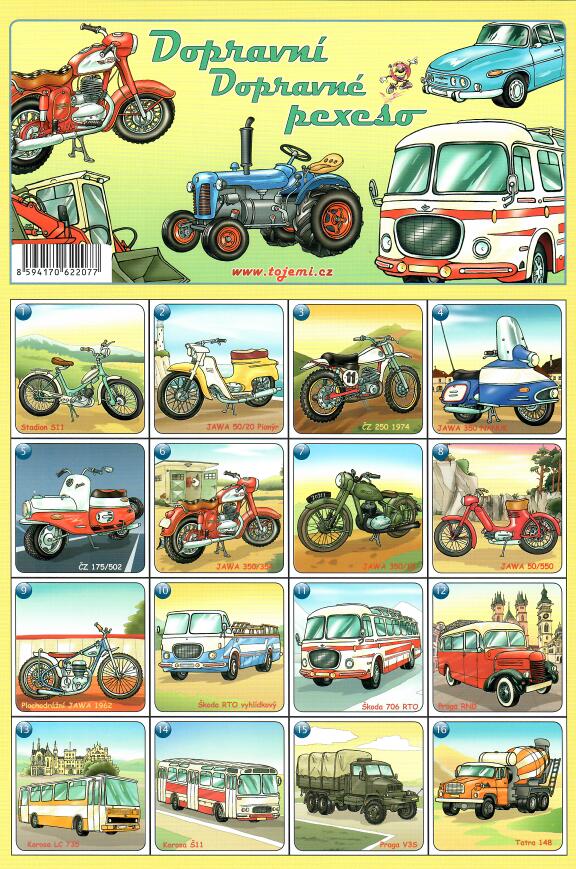
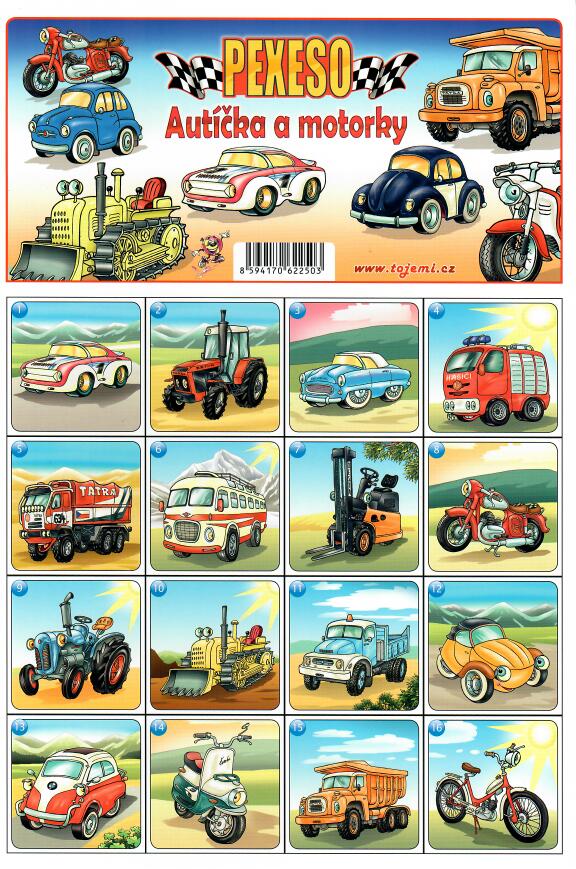
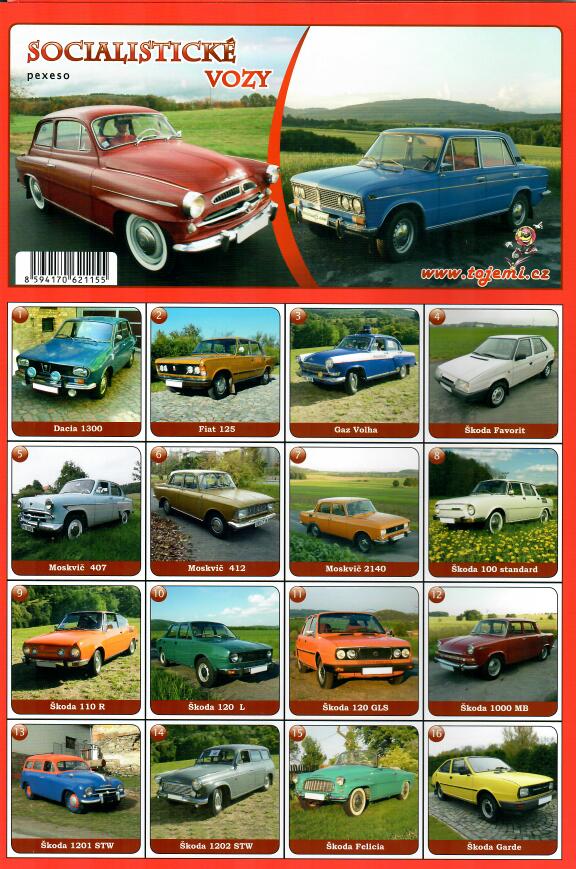
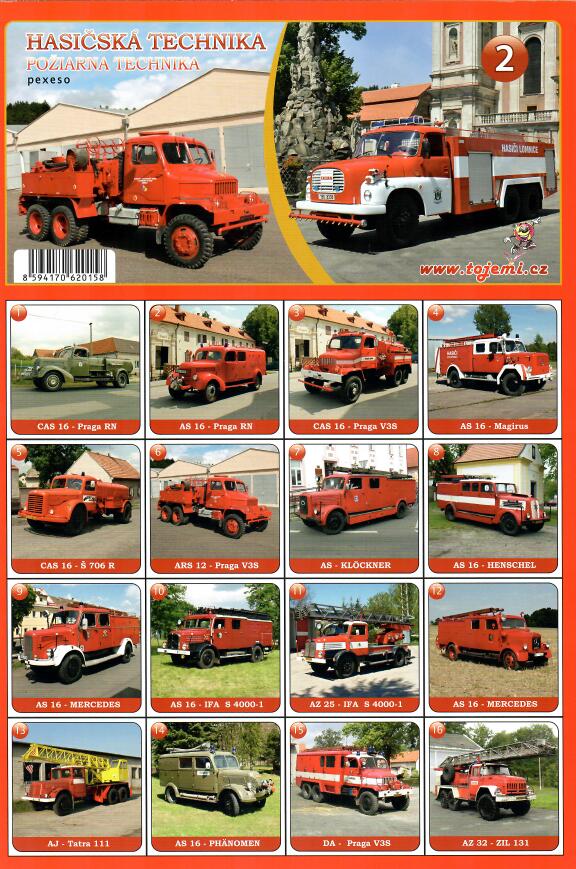
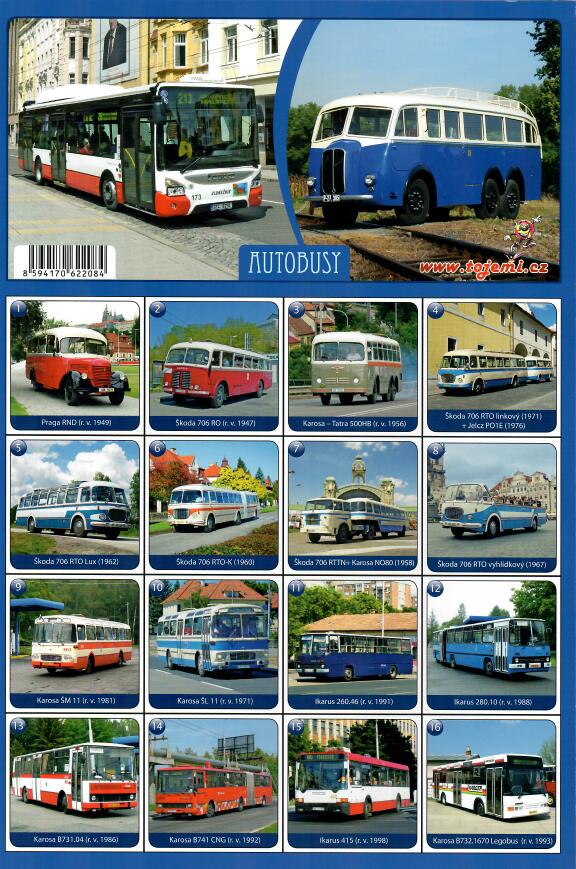
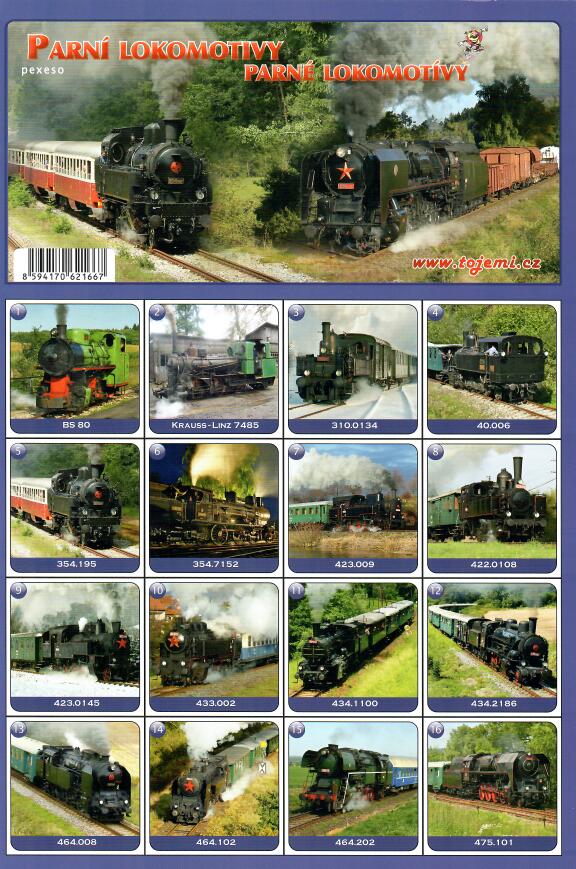
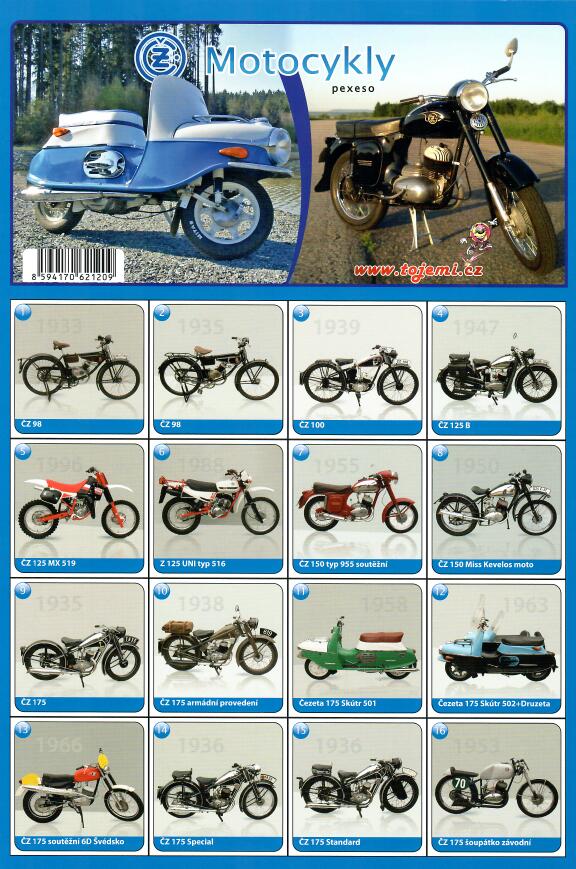
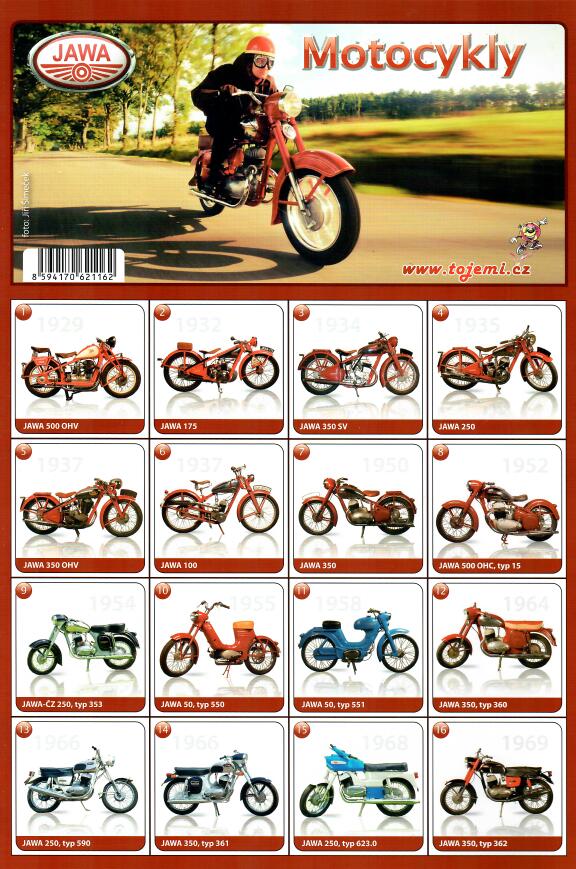
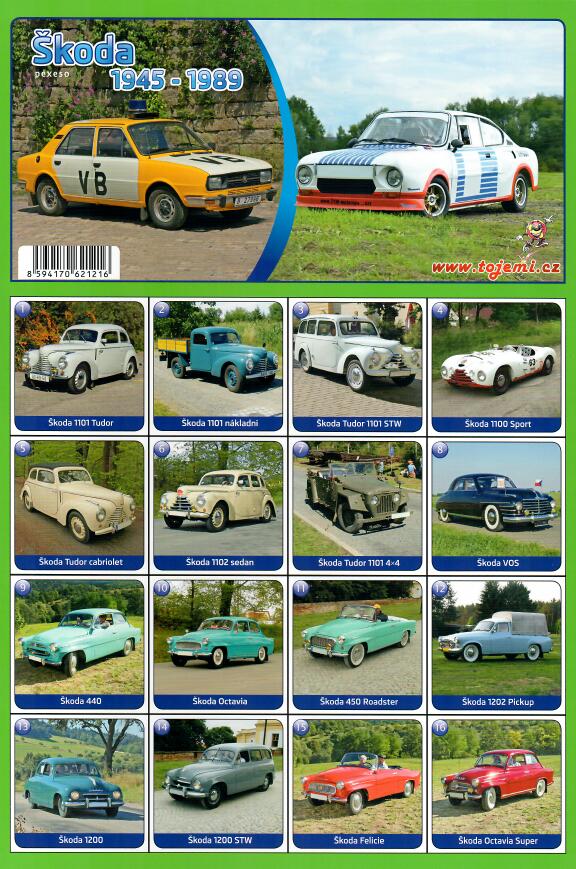
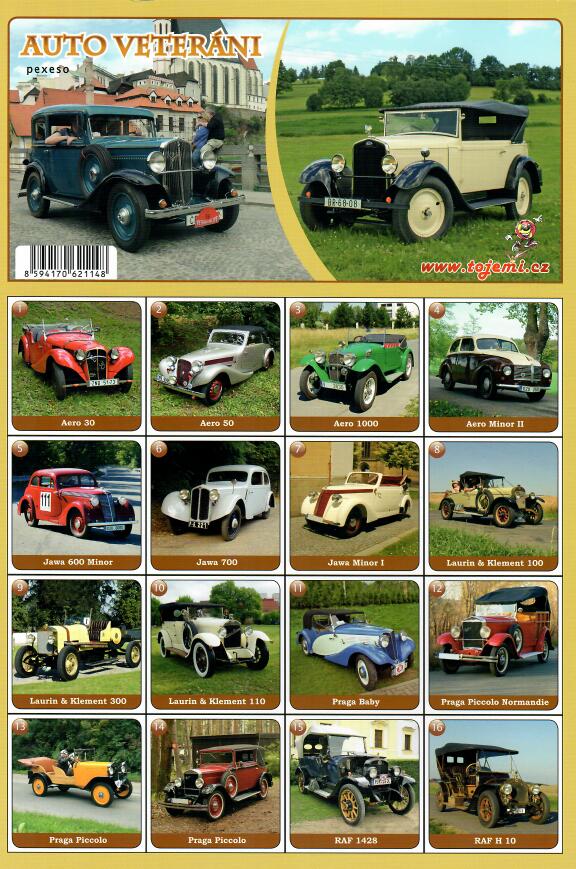



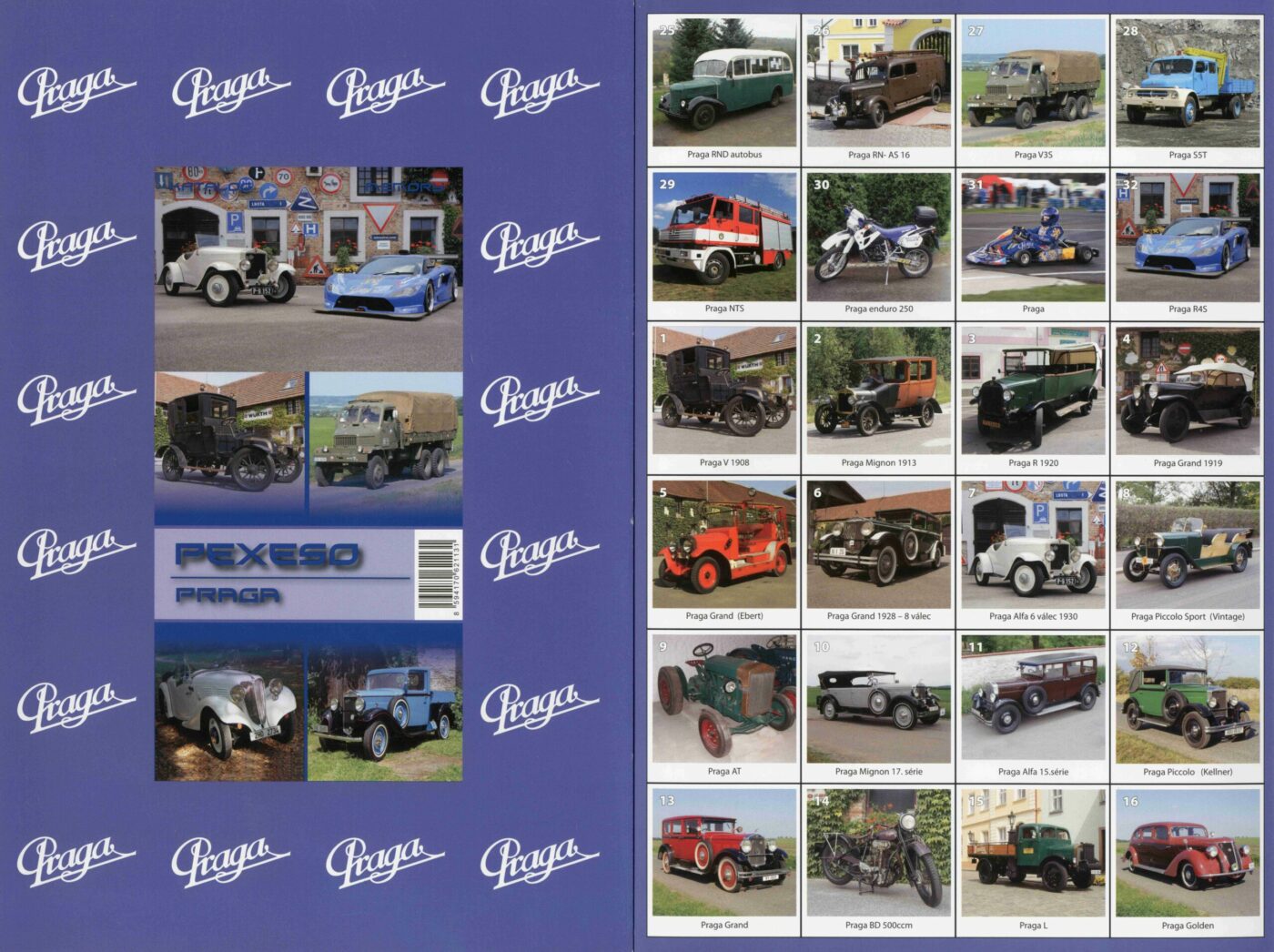

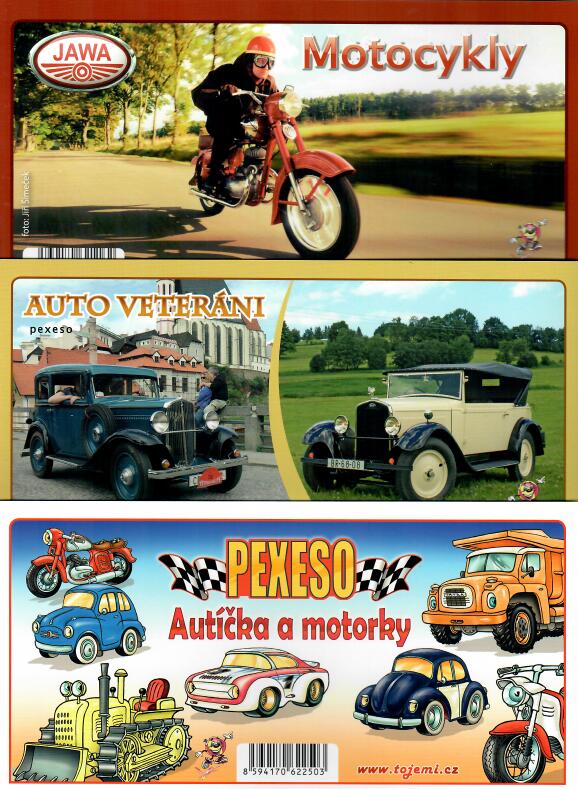
Memory game consisting of 32 pairs of photographs of historical means of transport.


40,00 CZK
Memory game consisting of 32 pairs of photographs of historical means of transport.
| Weight | 0,055 kg |
|---|---|
| Variant | Cars and motorbikes, Traffic memory game, Firefighting equipment, ČZ motorcycles, JAWA motorcycles, Steam locomotives, Socialist cars, Vintage cars, Buses, Car Z, Praga, Škoda 1925 – 1945, Škoda 1945 – 1989, Old trucks, Tatra, Tractors |
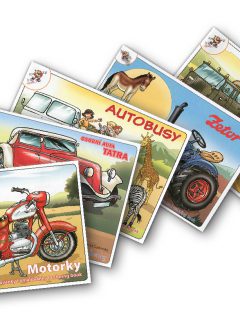
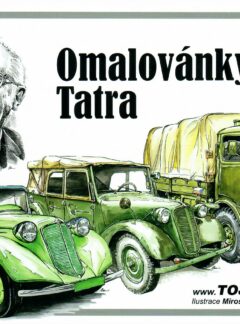
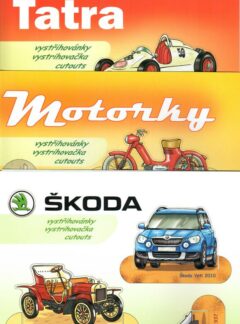
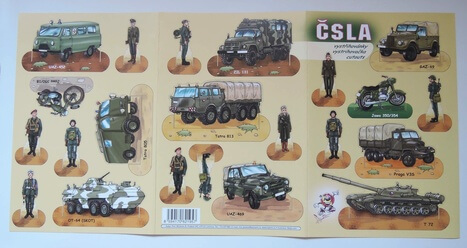
Coloring book containing 8 colorful images of historical vehicles.
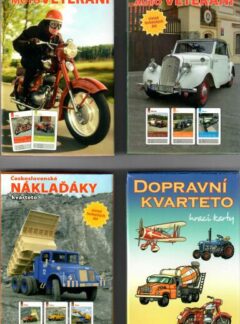
32 playing cards with pictures of vintage vehicles. The game includes instructions.
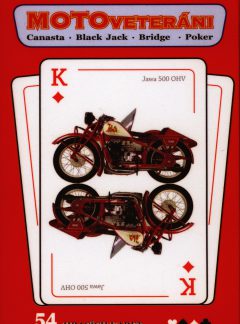
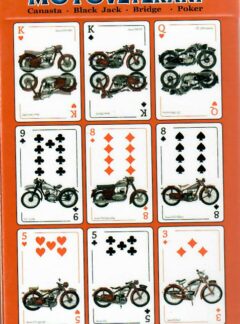
54 playing cards with photos of vintage motorcycles.
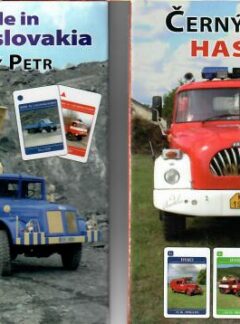
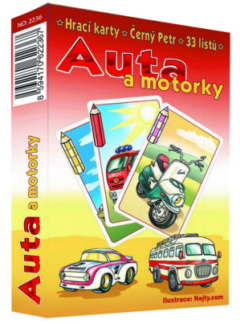
33 playing cards with painted pictures of vintage vehicles. Includes instructions for the game. The game is suitable for three or more players.
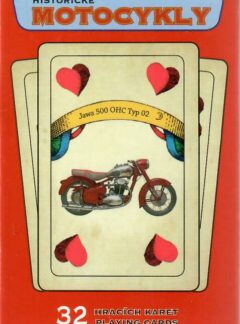
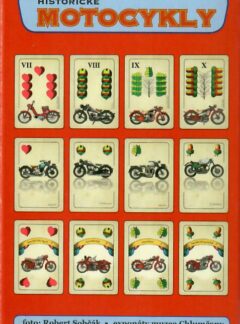
32 playing cards with photos of vintage motorcycles.
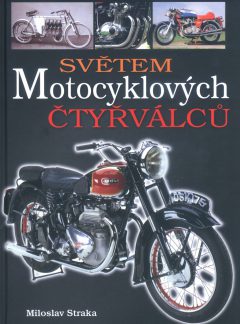
The author has compiled the history of the development and production of four-cylinder engines for motorcycles from the first preserved types. After a three-page introduction to the subject, there is the first of the structurally interesting motorcycles with a four-cylinder engine, where we also have a proud world first: the Laurin & Klement with an in-line four-cylinder engine made in Austria-Hungary. From a chronological perspective, various design directions are interesting, often avant-garde, but also some less fortunate ones, which were often limited by the possibilities of workshop processing. The theoretical idea of the designer was timeless, but the appropriate technology had not yet been produced. Detailed technical descriptions of another twenty-five structurally interesting motorcycles of often no longer existing production brands will certainly interest readers of all age groups.
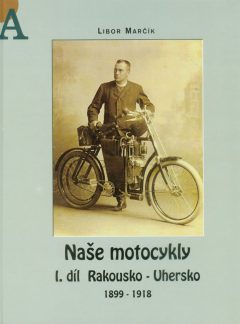
The publication captures almost unknown manufacturers and brands of motorcycles that were produced in the territory of the then Austria-Hungary. The reader will discover an incredible number of motorcycle manufacturers built in the vast majority of only one or a few pieces. Rapid changes in the development of motorcycle design are evident when compared with today's two-wheeled vehicles produced in large series. The publication is important in content for all friends of motorcycle history and the present.
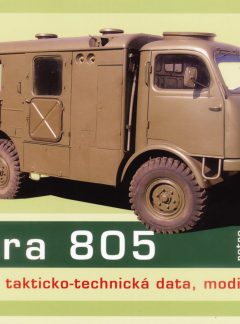
The Tatra 805 light truck was developed in the early 1950s – at a time when the whole of Europe was slowly recovering from the consequences of World War II. The first pages will acquaint readers with the then level of motorization of our army, which primarily initiated the need for a mobile 1.5-ton vehicle. In addition to the basic versions of the flatbed and box, other single-purpose superstructures were built on the existing chassis to perform specific army tasks. The comprehensive text will explain to readers what individual designations such as Šárka, Jarmila, Ezop, Mozek, Třinec and Neděle meant. The difficult-to-understand delimitations and transfers of the final assemblies of the T 805 between production plants are still evidence of „planned“ mistakes. Previously unpublished photographs, clearly arranged technical tables and drawings will remind witnesses of the „eight hundred and five“ from common army and civilian versions to unknown prototypes. The publication will help readers of younger generations understand technical possibilities in the context of the time.
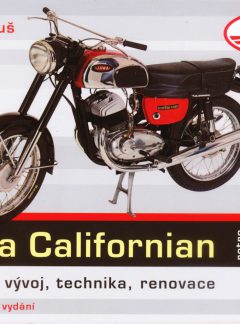
Jawa Californian – motorcycles that, with some exceptions, were intended only for foreign customers, leave hardly any one-track fan indifferent. The second edition of the successful publication will reveal what preceded their creation, how they developed and what influenced the sale of motorcycles from Czechoslovak manufacturers to the North American continent since 1945.
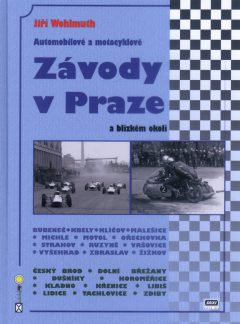
The author has been around road racing tracks since he was a boy. For just as long, he has been trying to extract from eyewitnesses the preserved memories, which are often contradictory. The long-standing idea of processing the "racing" part of the region's history received its final impetus this August at the Strahov Circuit. Going through his own extensive archive, he mobilized close friends and eyewitnesses, and delved into the ČTK archive to process the materials in the evenings. The result, delivered by the publisher in record time to bookshop shelves, will delight friends, fans and eyewitnesses of car and motorcycle racing. A number of previously unpublished facts and photographs will reveal completely new information about sporting events that have always attracted many competitors and spectators. Get yourself a wonderful read for long winter evenings.
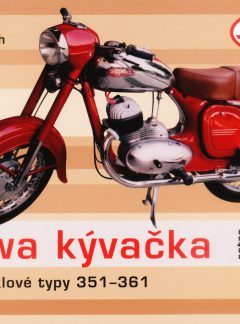
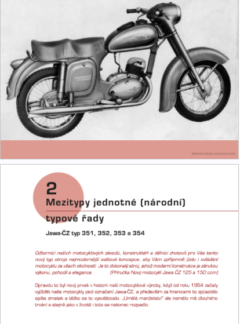
„"Kývačky" were in production since 1954. In the beginning it was a motorcycle of modern design and due to the limited range of offer it became the most widespread type on domestic roads. The chassis was universal, suitable for mounting two-stroke air-cooled engines of five displacement classes.
The first pages of the book contain a brief introduction with a quick overview of pre-war production. The rest of the content will enlighten the reader about the extensive history with period photographs of prototypes, dimensional sketches, photographs of sports and civilian versions from period newspapers, and detailed descriptions of the differences between the individual types. The chapters also focus on important figures involved in development and production, motorcycle racers of all categories, sales abroad, and the book also contains a reprint of part of the manual, copies of period brochures, and extensive technical tables.
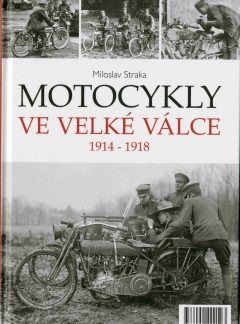
Another in a series of works by the renowned author deals with motorcycle history again, this time against the backdrop of World War I. It is published at a time when a hundred years have passed since its course, and the consequences of which fatally influenced the further development of all sectors in Europe. The book is not a historical study of the war, but has the ambition to present the role of motorcycles and the soldiers who served with them in the war. Motorcycles in the Great War performed a number of specific tasks. In addition to the very important courier service, they also served in ambulance and reconnaissance services. Armies used motorcycles on almost all battlefields, but the largest number was on the Western Front on the side of the Allies. The book introduces readers to individual variants of military machines, technical details, a detailed description of the most used models and the history of the brands represented. The publication brings a lot of interesting information not only to our regular fans of motorcycle history, but should also appeal to fans of military history and militaries in general.
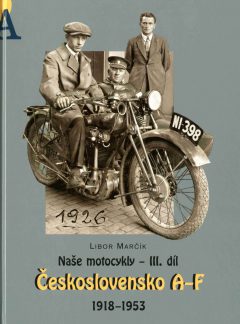
Libor Marčík has already proven his authorial qualities in two previous works on motorcycle history and, in addition to his two recent publications, is now publishing, again at his own expense, another descriptive continuation of Czechoslovak motorcycle history. Years of painstaking work searching in the period press, in state and private archives, as well as examining entries in Latin, German or even in Hungarian-written books written in many registries are rewarded on graphically well-crafted pages. Long-forgotten manufacturers who sought ways of technical development through piece production are listed alphabetically. The carefully crafted text, supplemented by many original photographs, will delight historians and laymen alike, and in the company of the previous two works, a hint of a future complete history of motorcycle production from the times of the Austro-Hungarian Empire to the Czech Republic will begin to emerge in many libraries.