Product description
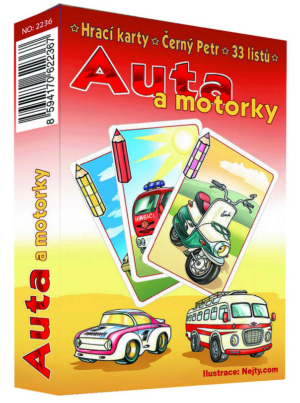
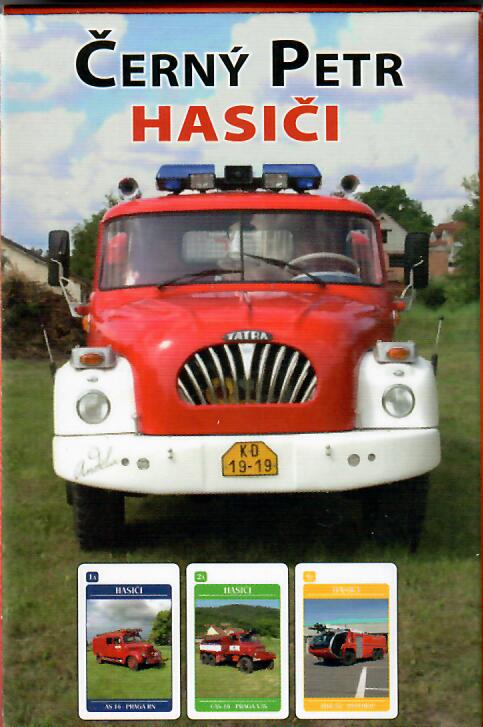
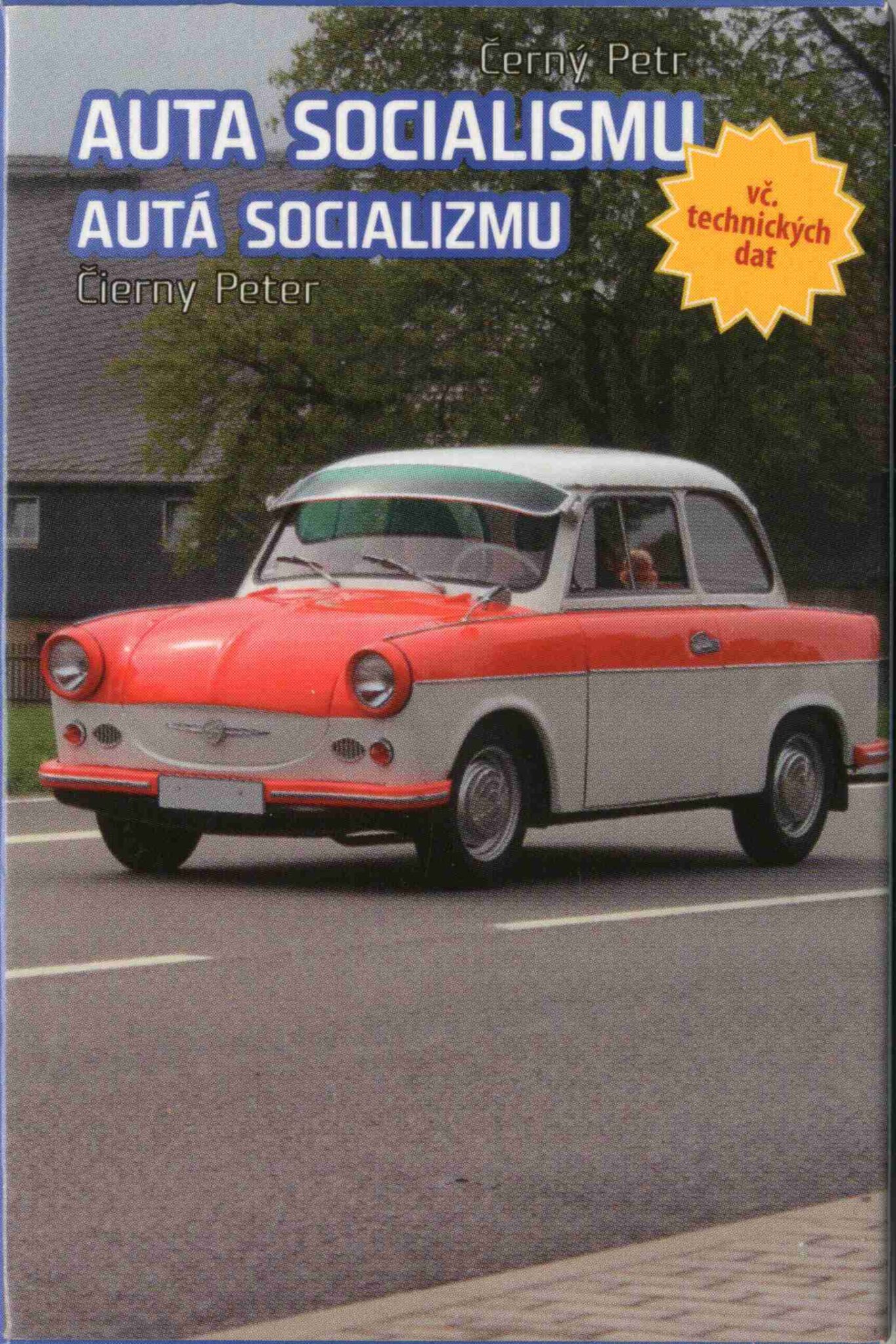
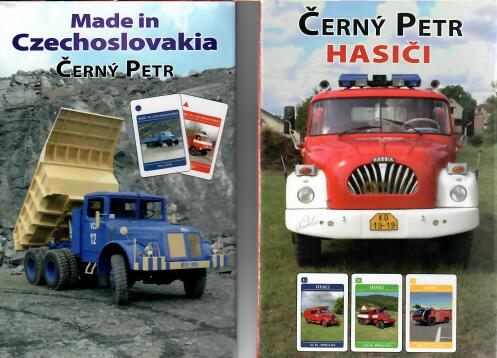
33 playing cards with painted pictures of vintage vehicles. Includes instructions for the game. The game is suitable for three or more players.


70 CZK
33 playing cards with painted pictures of vintage vehicles. Includes instructions for the game. The game is suitable for three or more players.
33 playing cards with painted pictures of vintage vehicles. Includes instructions for the game. The game is suitable for three or more players.
| Weight | 0,07 kg |
|---|---|
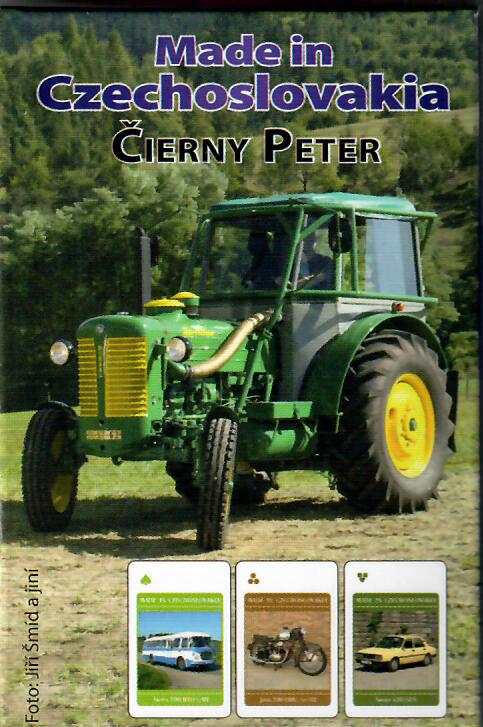
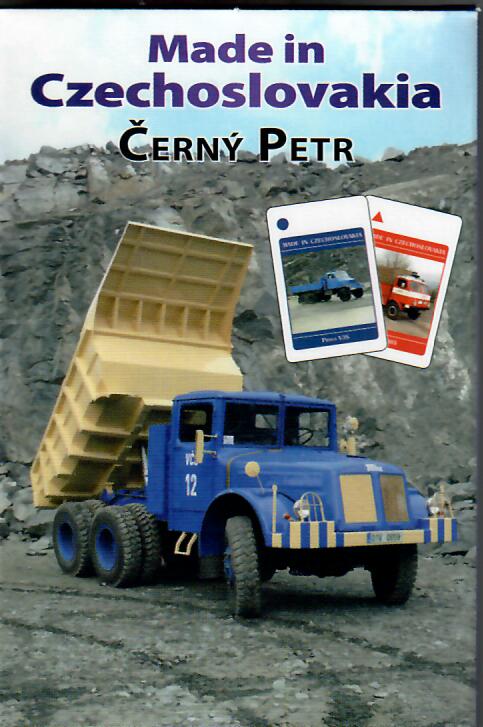
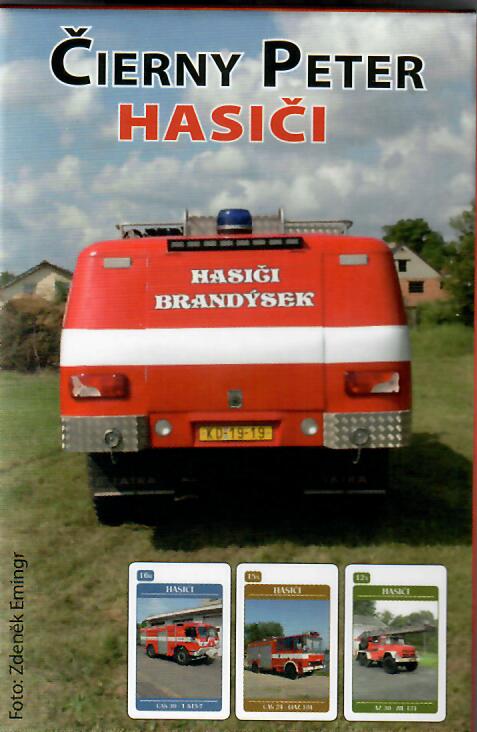
| Variant | Firefighters, Made in Czechoslovakia, Cars and motorbikes, Cars of socialism |
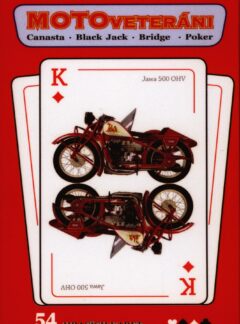
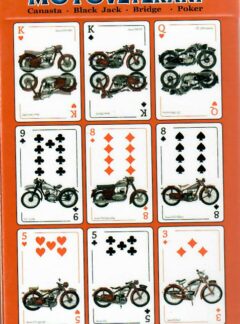
54 playing cards with photos of vintage motorcycles.
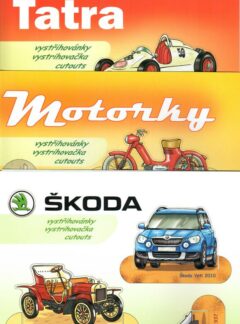
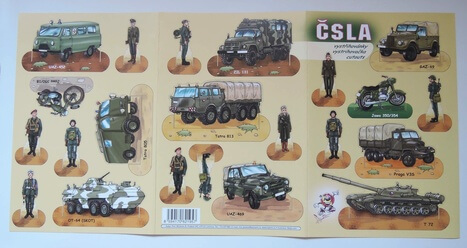
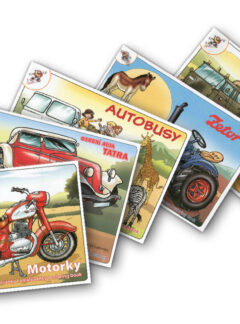
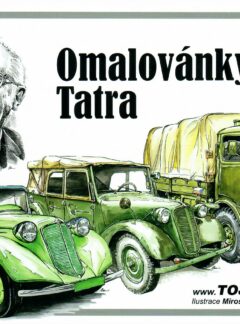
Coloring book containing 8 colorful images of historical vehicles.
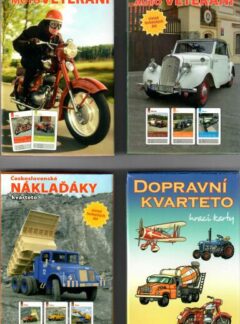
32 playing cards with pictures of vintage vehicles. The game includes instructions.
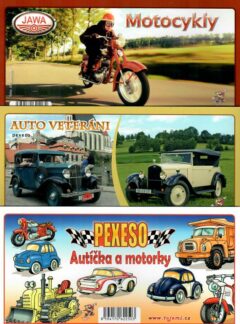
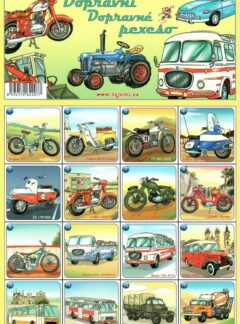
Memory game consisting of 32 pairs of photographs of historical means of transport.
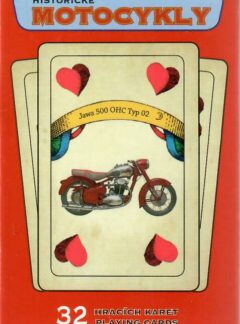
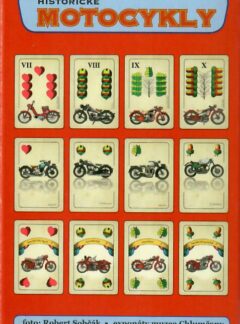
32 playing cards with photos of vintage motorcycles.
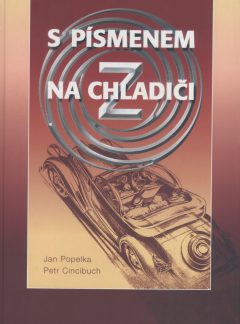
Unium Publishing House, hardcover, format 21.5 x 30 cm, 160 pages. ISBN: 80-902542-2-5.
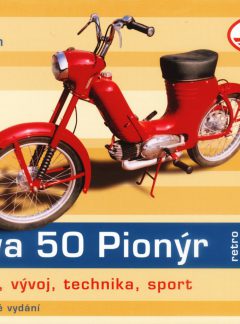
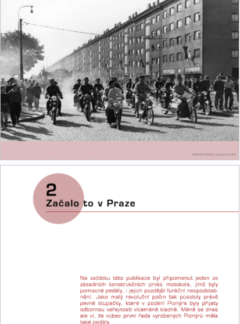
The second edition of this unique publication supplements and clarifies some previously published facts about the history and technical parameters of this small-displacement motorcycle. The history of the very latest machines from the World Championship is newly recalled and data on current activities on the racing field are added. This edition contains more than half of the new, previously unpublished photographs.
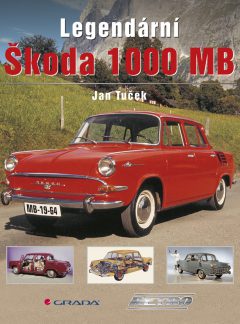
For readers interested in the history of motoring, a book about the development, preparation and mass production of the Czech passenger car has been prepared on the occasion of the 50th anniversary of the Škoda 1000 MB. The first part contains a brief recapitulation of the post-war predecessors from 1946 to 1964. A number of previously unpublished photographs will present prototypes and serial "thousands". The content offers high-quality and verified information about technical parameters, interesting facts from production, the number of units produced for the domestic and foreign markets, and sporting successes.
New book from the warehouse.
The author, in his own unique way, expressed his admiration for the Sisyphean effort of all collectors and renovators of cars, buses, motorcycles or stationary engines, for their lifelong toil, which at the very end of this journey we can admire and say that our grandfathers knew how to make it, after all, that machine actually has a soul... The fates of these passionate fans and their collections are all the more interesting because after 30 years a lot has changed. Jiří Wagner accompanied the book with his photographs.
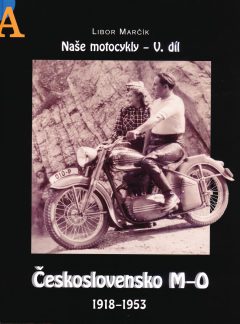
A wide period from the establishment of an independent republic through the years of economic crisis, the protectorate and up to 1953, when a classless society was fully built with the help of obligations - these are the years that the author chose for the next presentation of some motorcycle manufacturers. The author filled the clearly arranged pages of the next part of his extensive publication with the production marks or surnames of workshop owners that begin with one of the three letters M, N, O. Period print, brochures, drawings, dimensional sketches, photographs, official documents replacing technical certificates and other archive materials were suitably used to bring the history of motorcycle production in Czechoslovakia closer. The author has been a guarantee of extremely interesting discoveries with a specialization in two-wheeled vehicles for many years.
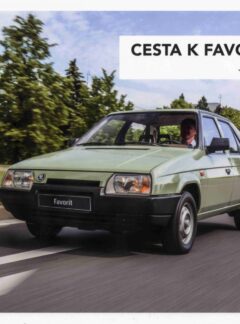
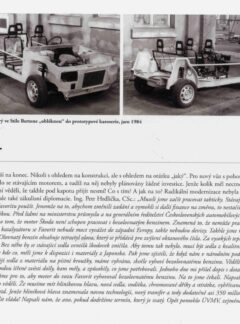
The author knew more than thirty-three years ago that the long and, above all, thorny path of development and production of the Favorit passenger car was worth carefully documenting. He had to reject the ideas of that time, he waited and waited! Developing anything new while trying to comply with the extensive tangle of many restrictions and prohibitions resulting from completely meaningless regulations was completely impossible during the years of normalization. Even though the original idea to produce a new type of passenger car within the framework of the Common Market came from the highest party positions. But the design tendencies of world car manufacturers indicated significantly different solutions from the originally intended ones. The gradual development, sometimes even illegal, was taken up by the administrative people in Mladá Boleslav. The amount of work with development and then with the preparation of production was unimaginable, but the people were enthusiastic. The most energy and time was taken up by the battles with the „windmills“ – at that time in the form of the state apparatus. When the Favorit was put into production, the leaders were melting in superlatives. Just like Ing. Andrej Barčák, then director of the PZO Motokov business group: "The Favorit was a groundbreaking project for Škoda. Škoda designed and then produced a car comparable to their European competition under significantly worse conditions. At the beginning, there were just a lot of restrictions, nothing was approved, big risks were taken, but Škoda had no reason to be ashamed of the result."„
Published by Motor Public, hardcover with dust jacket, format 22.5 x 21.5 cm, 118 pages
ISBN 978-80-906693-1-4.
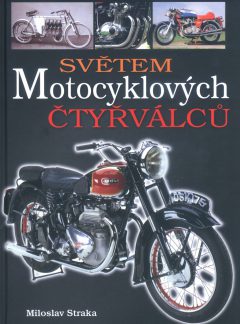
The author has compiled the history of the development and production of four-cylinder engines for motorcycles from the first preserved types. After a three-page introduction to the subject, there is the first of the structurally interesting motorcycles with a four-cylinder engine, where we also have a proud world first: the Laurin & Klement with an in-line four-cylinder engine made in Austria-Hungary. From a chronological perspective, various design directions are interesting, often avant-garde, but also some less fortunate ones, which were often limited by the possibilities of workshop processing. The theoretical idea of the designer was timeless, but the appropriate technology had not yet been produced. Detailed technical descriptions of another twenty-five structurally interesting motorcycles of often no longer existing production brands will certainly interest readers of all age groups.
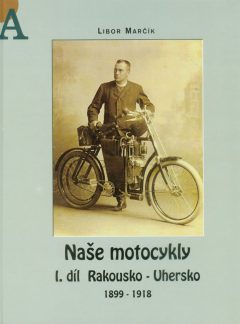
The publication captures almost unknown manufacturers and brands of motorcycles that were produced in the territory of the then Austria-Hungary. The reader will discover an incredible number of motorcycle manufacturers built in the vast majority of only one or a few pieces. Rapid changes in the development of motorcycle design are evident when compared with today's two-wheeled vehicles produced in large series. The publication is important in content for all friends of motorcycle history and the present.