Product description
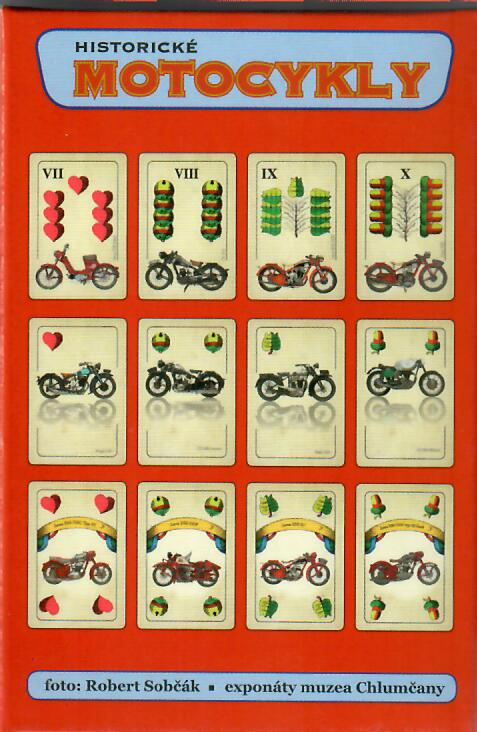
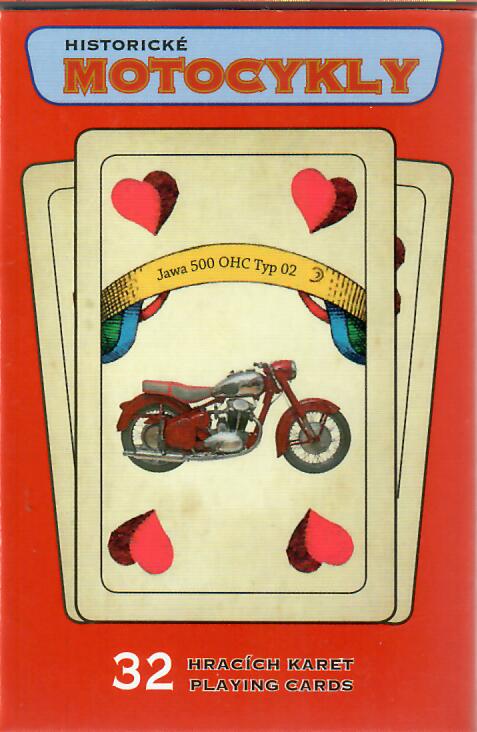
32 playing cards with photos of vintage motorcycles.


70,00 CZK
32 playing cards with photos of vintage motorcycles.
In stock
32 playing cards with photos of vintage motorcycles.
| Weight | 0,07 kg |
|---|
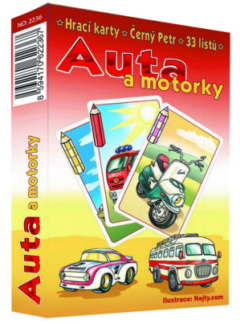
33 playing cards with painted pictures of vintage vehicles. Includes instructions for the game. The game is suitable for three or more players.
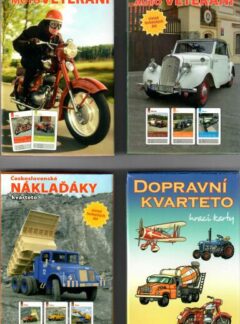
32 playing cards with pictures of vintage vehicles. The game includes instructions.
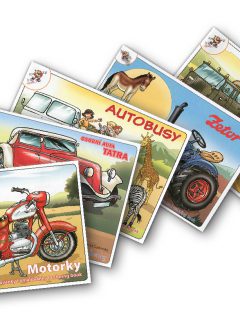
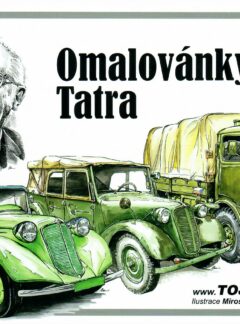
Coloring book containing 8 colorful images of historical vehicles.
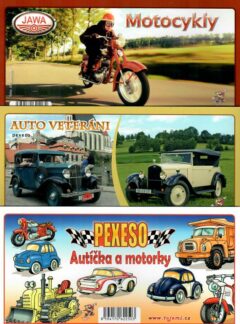
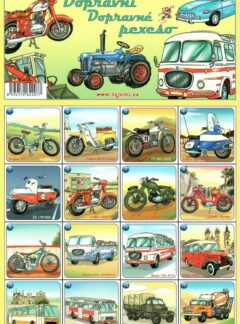
Memory game consisting of 32 pairs of photographs of historical means of transport.
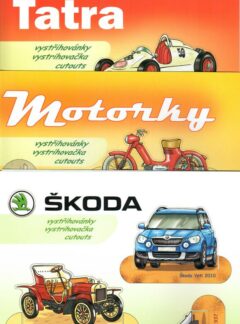
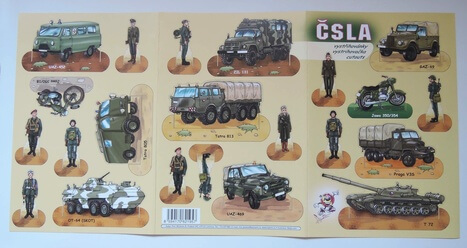
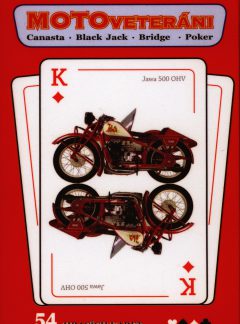
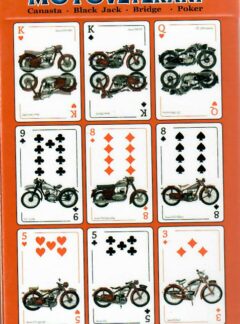
54 playing cards with photos of vintage motorcycles.
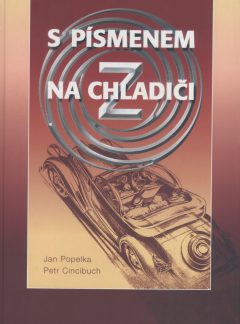
Unium Publishing House, hardcover, format 21.5 x 30 cm, 160 pages. ISBN: 80-902542-2-5.
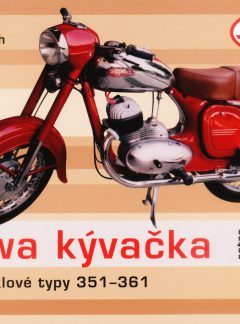
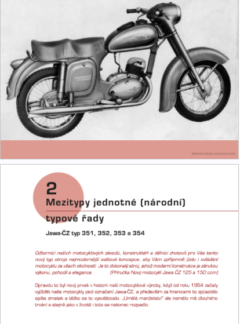
„"Kývačky" were in production since 1954. In the beginning it was a motorcycle of modern design and due to the limited range of offer it became the most widespread type on domestic roads. The chassis was universal, suitable for mounting two-stroke air-cooled engines of five displacement classes.
The first pages of the book contain a brief introduction with a quick overview of pre-war production. The rest of the content will enlighten the reader about the extensive history with period photographs of prototypes, dimensional sketches, photographs of sports and civilian versions from period newspapers, and detailed descriptions of the differences between the individual types. The chapters also focus on important figures involved in development and production, motorcycle racers of all categories, sales abroad, and the book also contains a reprint of part of the manual, copies of period brochures, and extensive technical tables.
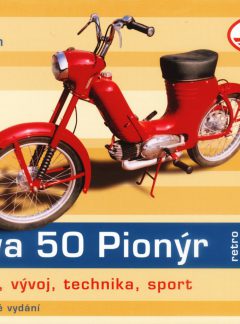

The second edition of this unique publication supplements and clarifies some previously published facts about the history and technical parameters of this small-displacement motorcycle. The history of the very latest machines from the World Championship is newly recalled and data on current activities on the racing field are added. This edition contains more than half of the new, previously unpublished photographs.
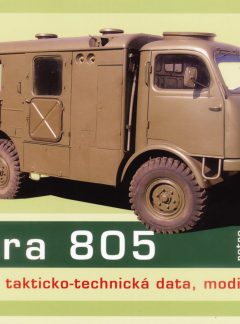
The Tatra 805 light truck was developed in the early 1950s – at a time when the whole of Europe was slowly recovering from the consequences of World War II. The first pages will acquaint readers with the then level of motorization of our army, which primarily initiated the need for a mobile 1.5-ton vehicle. In addition to the basic versions of the flatbed and box, other single-purpose superstructures were built on the existing chassis to perform specific army tasks. The comprehensive text will explain to readers what individual designations such as Šárka, Jarmila, Ezop, Mozek, Třinec and Neděle meant. The difficult-to-understand delimitations and transfers of the final assemblies of the T 805 between production plants are still evidence of „planned“ mistakes. Previously unpublished photographs, clearly arranged technical tables and drawings will remind witnesses of the „eight hundred and five“ from common army and civilian versions to unknown prototypes. The publication will help readers of younger generations understand technical possibilities in the context of the time.
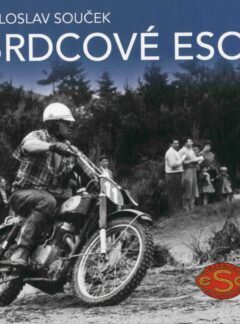
With the warm words of the foreword by Prof. Pavek, which will set the reader in the right mood, the author slowly begins to unwind a continuous strip of memories. About his apprenticeship in a car repair shop and his first contacts with motorcycle handlebars, about exploring off-road motorcycle races. It is absolutely natural that Míla Souček likes to remember motorcycle sports in the colors of the army team - of course, after all, he was young, healthy and overcame random life obstacles with a smile. A separate chapter in his life, to which the author likes to return, is the period of motorcycle competitions with participation in the Six-Day Motorcycle Competition in Zlín in 1955. Between the lines, the perceptive reader can sense the devotion to motorcycles from Divišov. With ESO motocross specials of all three cubic capacities, he achieved success for our colors on tracks included in the European Championship. The last pages of the memories belong to motocross in Stříbr in 1963.
Reminisce with the author, recall the names and motocross tracks in the country and abroad.
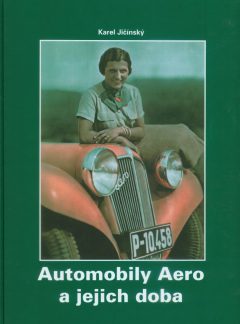
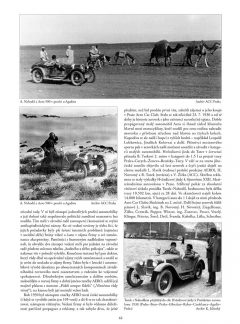
Descriptions of individual types, copies of drawing documentation and a number of original photographs, placed in the context of the time, have created an engaging document. The author has long been dedicated to collecting materials directly related to the Aero brand, and has put this many years of activity to good use in a publication that should not be missing from the library of any aero enthusiast.
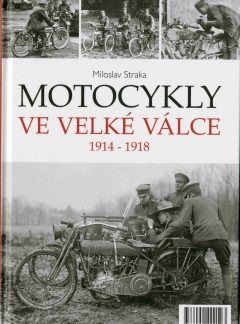
Another in a series of works by the renowned author deals with motorcycle history again, this time against the backdrop of World War I. It is published at a time when a hundred years have passed since its course, and the consequences of which fatally influenced the further development of all sectors in Europe. The book is not a historical study of the war, but has the ambition to present the role of motorcycles and the soldiers who served with them in the war. Motorcycles in the Great War performed a number of specific tasks. In addition to the very important courier service, they also served in ambulance and reconnaissance services. Armies used motorcycles on almost all battlefields, but the largest number was on the Western Front on the side of the Allies. The book introduces readers to individual variants of military machines, technical details, a detailed description of the most used models and the history of the brands represented. The publication brings a lot of interesting information not only to our regular fans of motorcycle history, but should also appeal to fans of military history and militaries in general.
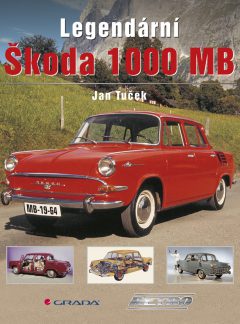
For readers interested in the history of motoring, a book about the development, preparation and mass production of the Czech passenger car has been prepared on the occasion of the 50th anniversary of the Škoda 1000 MB. The first part contains a brief recapitulation of the post-war predecessors from 1946 to 1964. A number of previously unpublished photographs will present prototypes and serial "thousands". The content offers high-quality and verified information about technical parameters, interesting facts from production, the number of units produced for the domestic and foreign markets, and sporting successes.