Product description
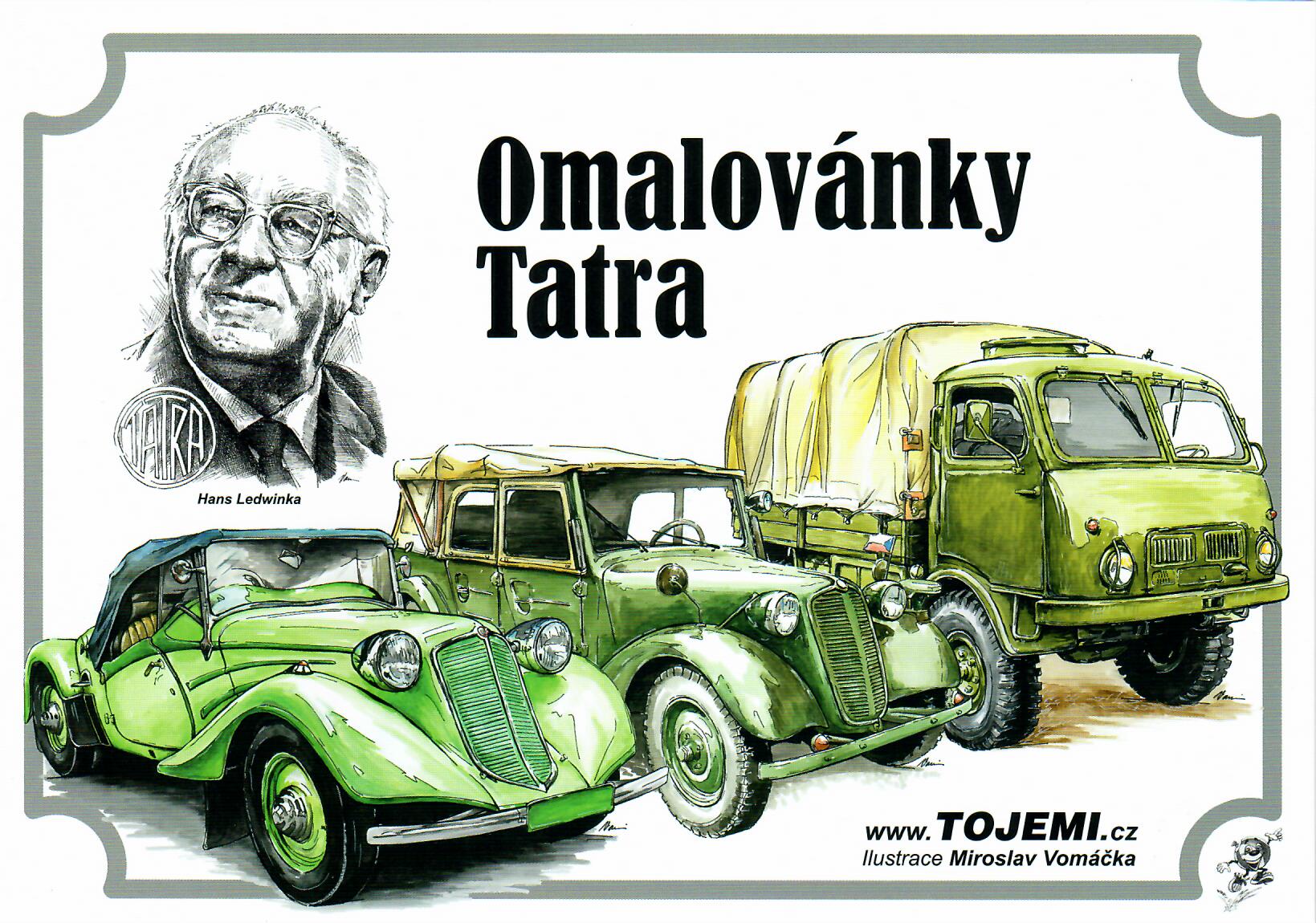
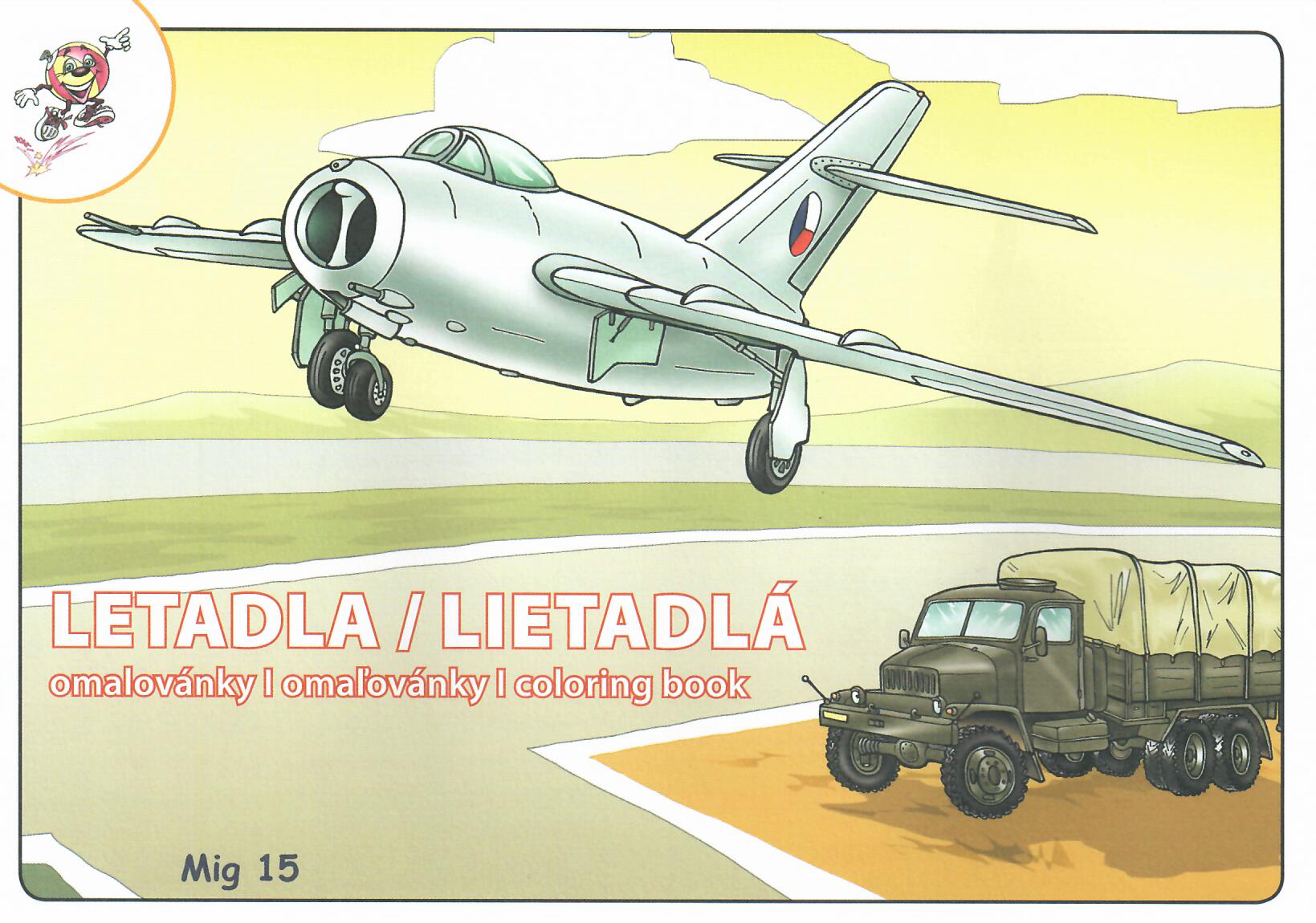
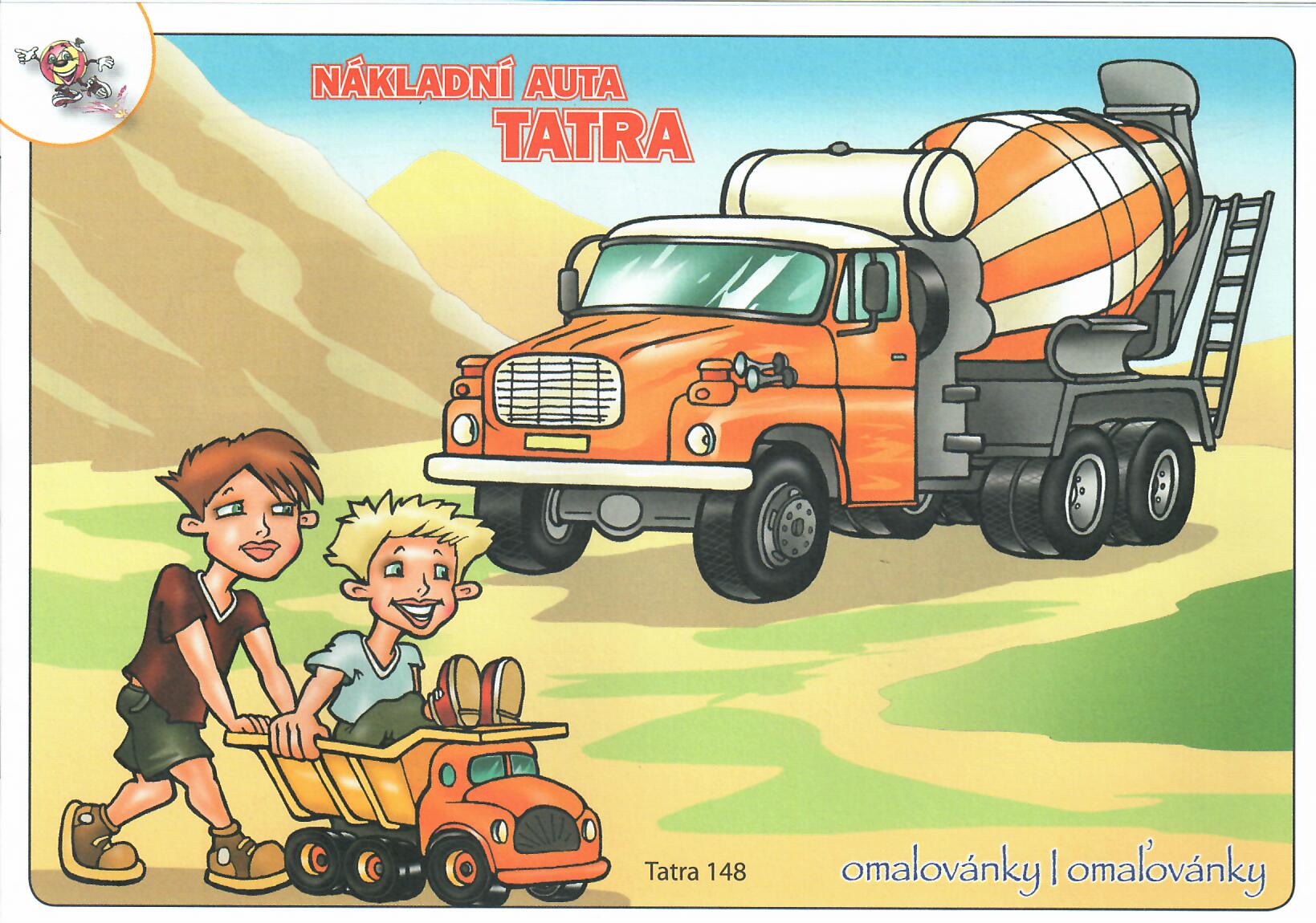
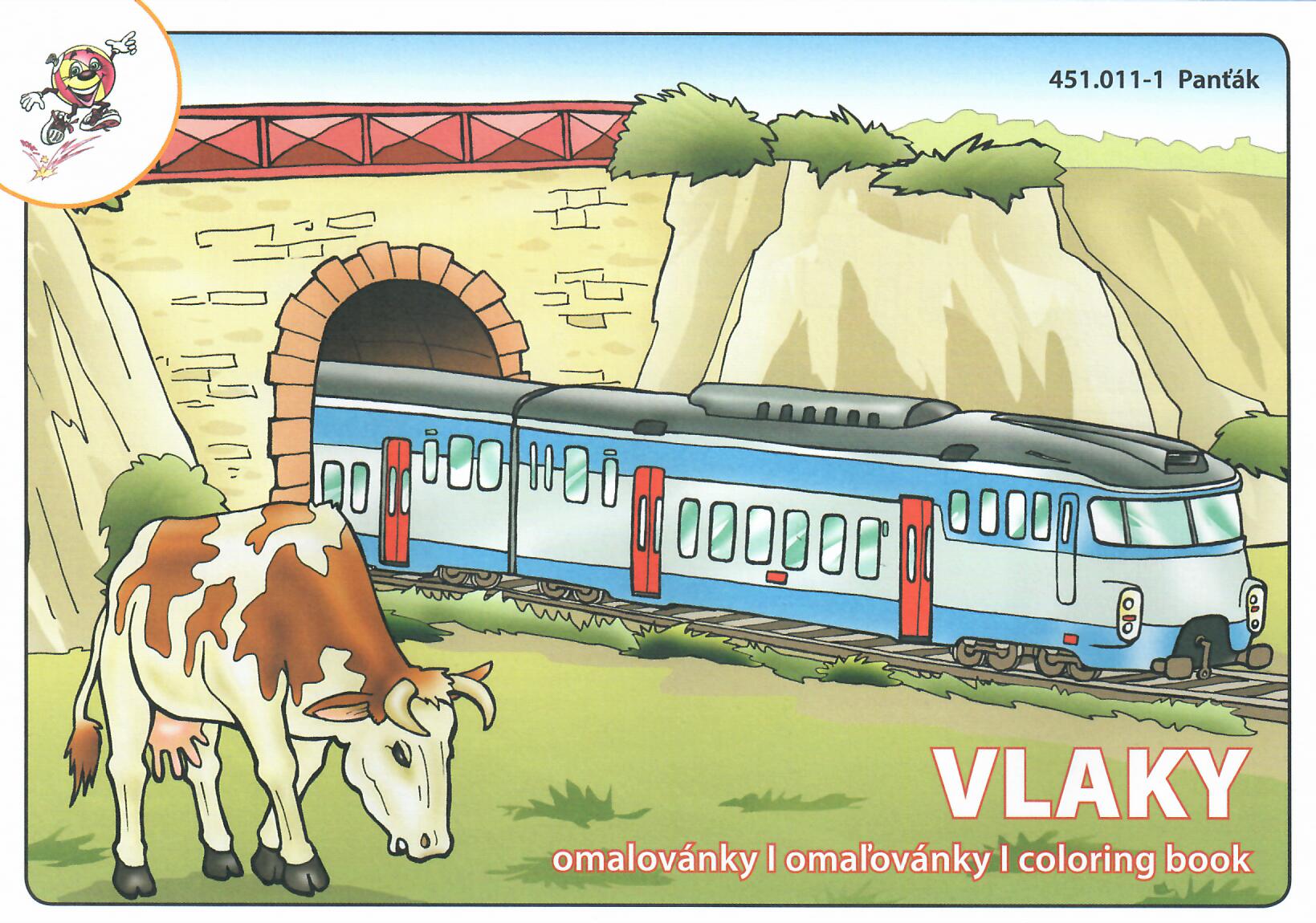
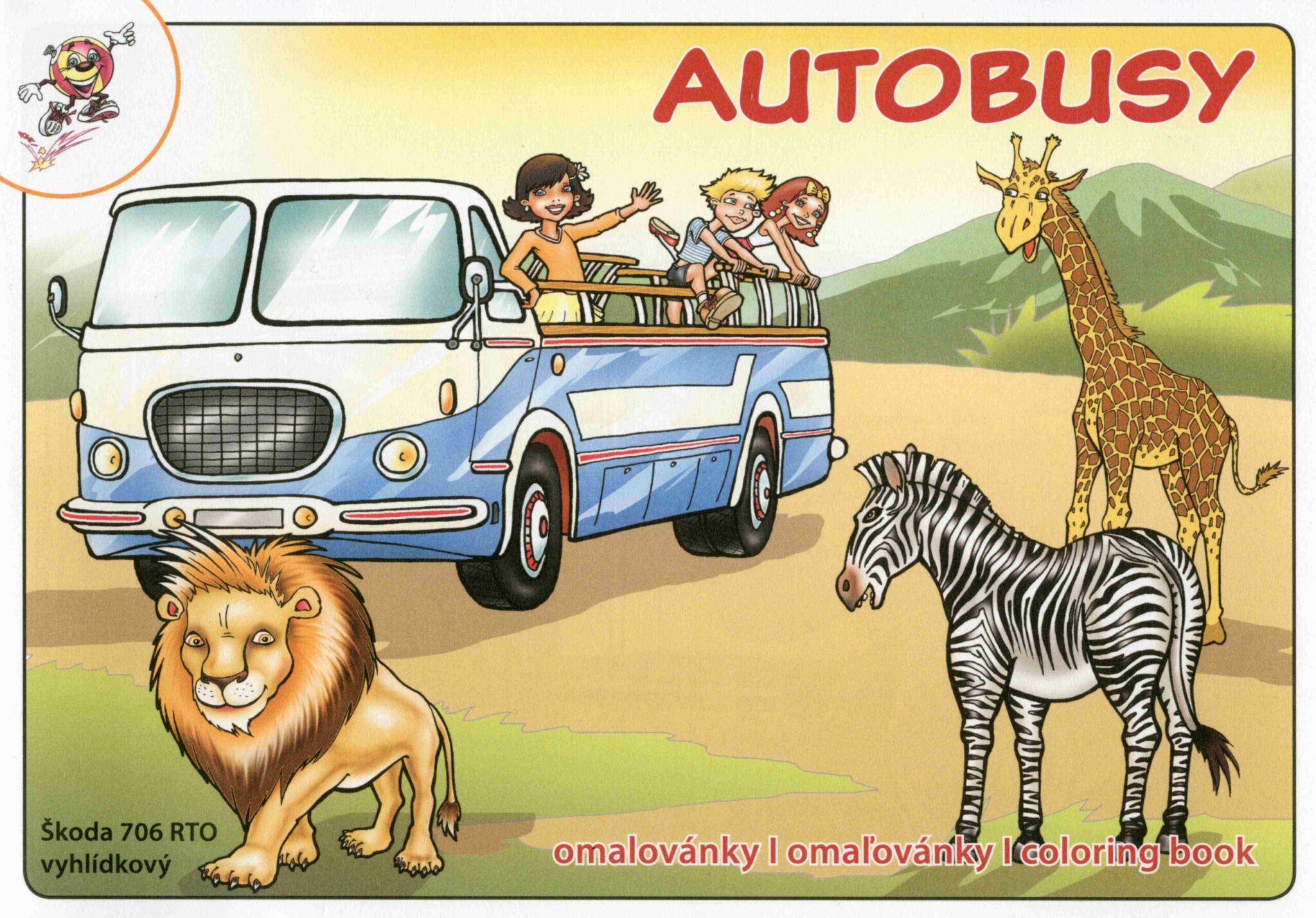
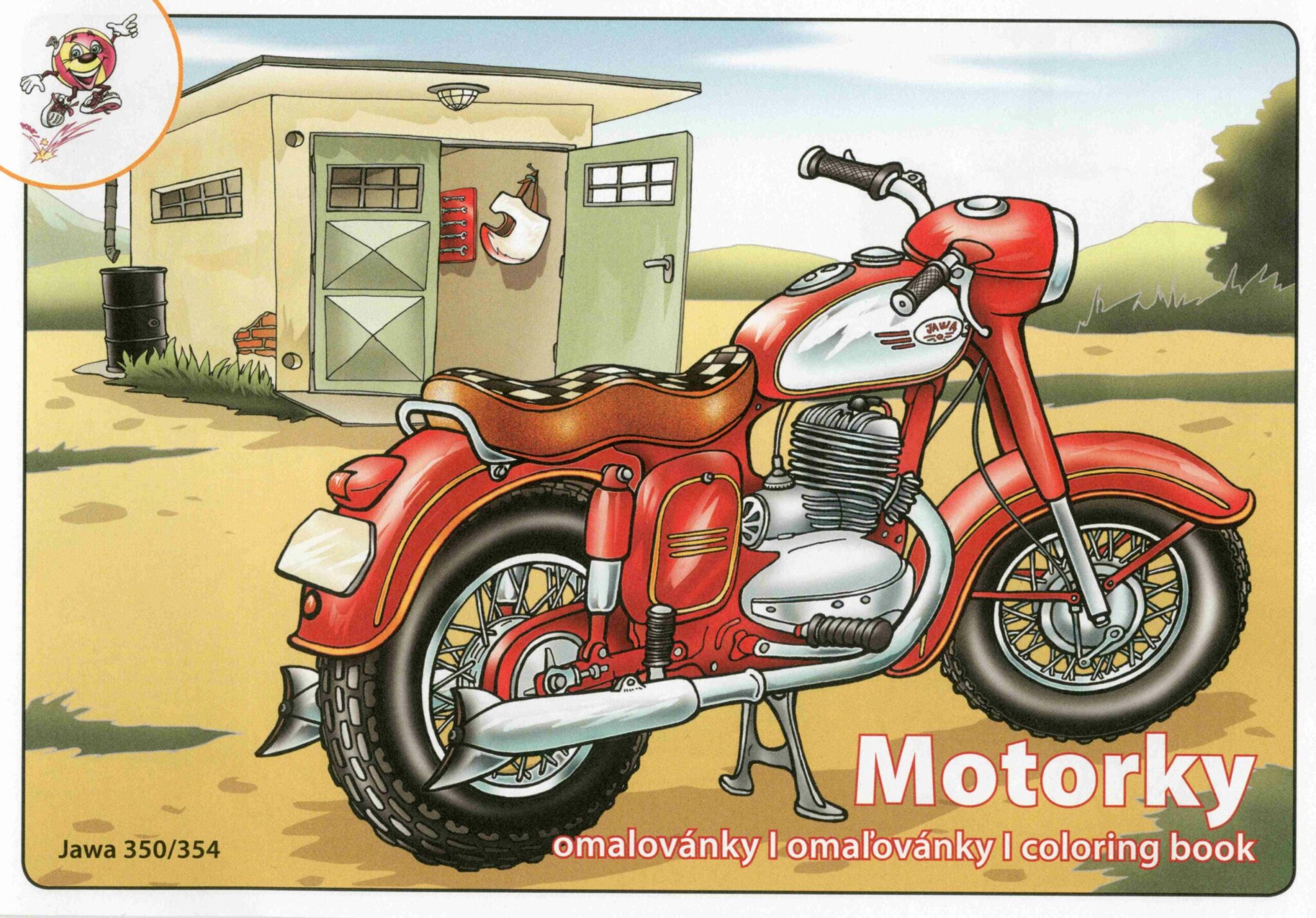
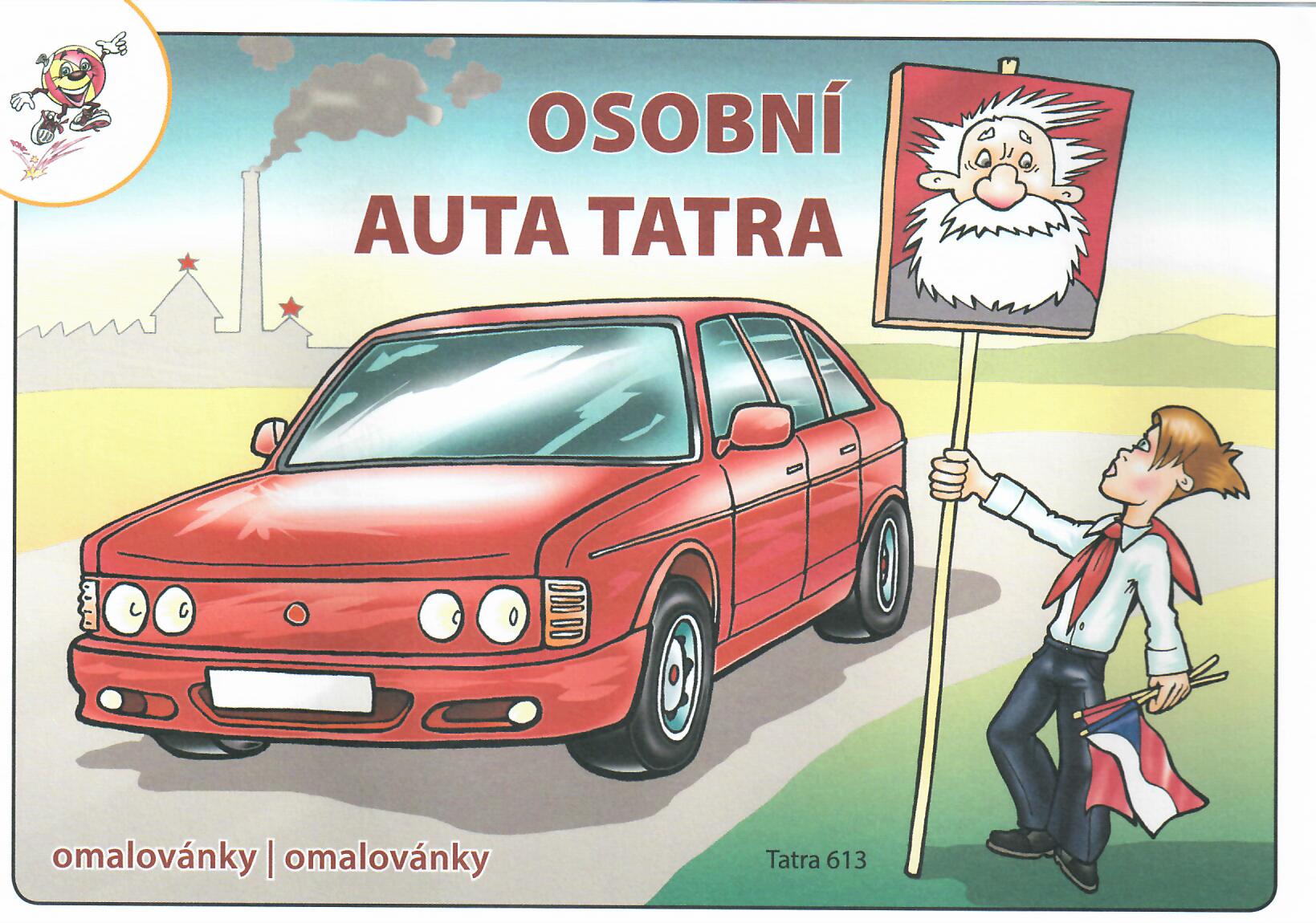
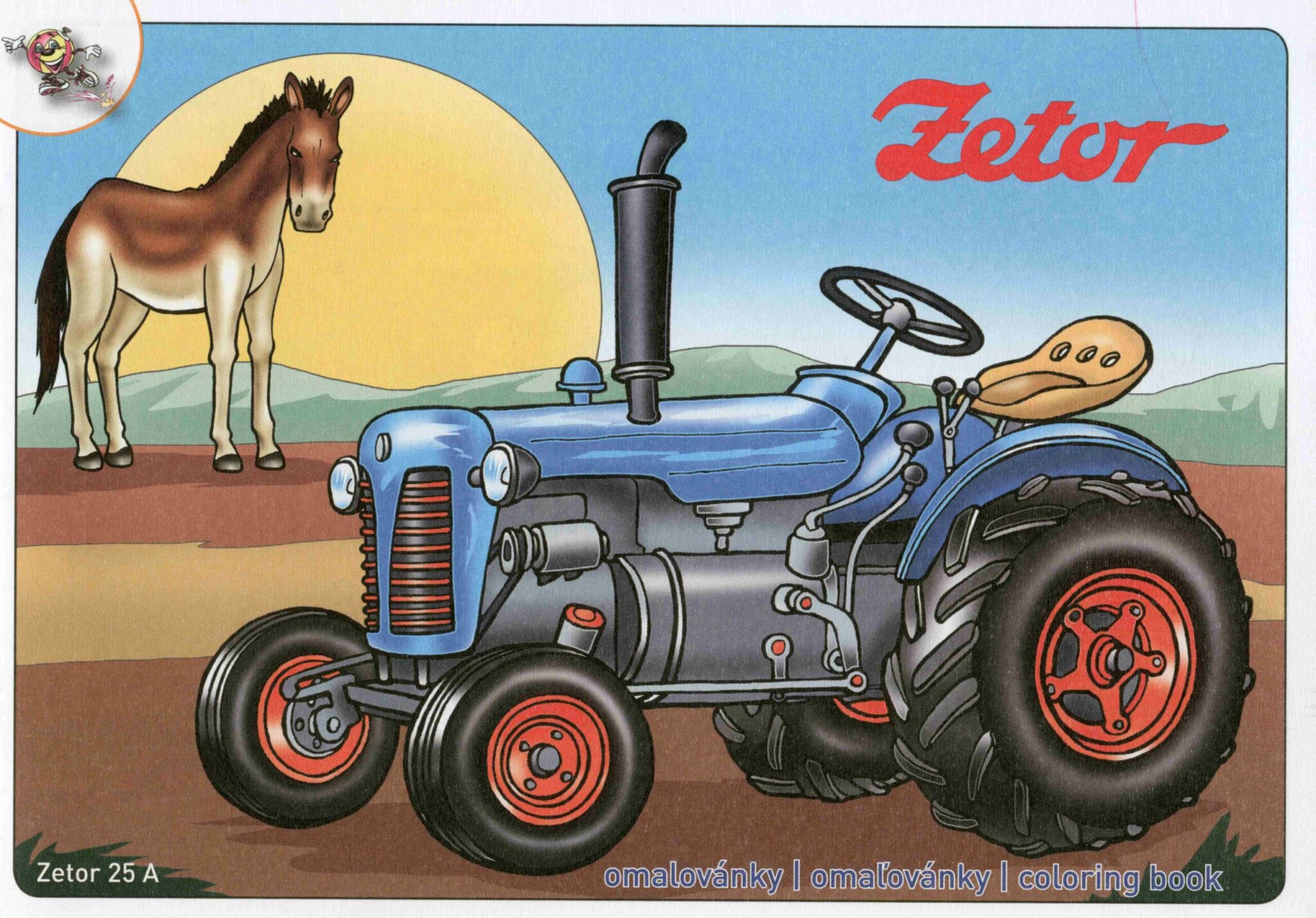
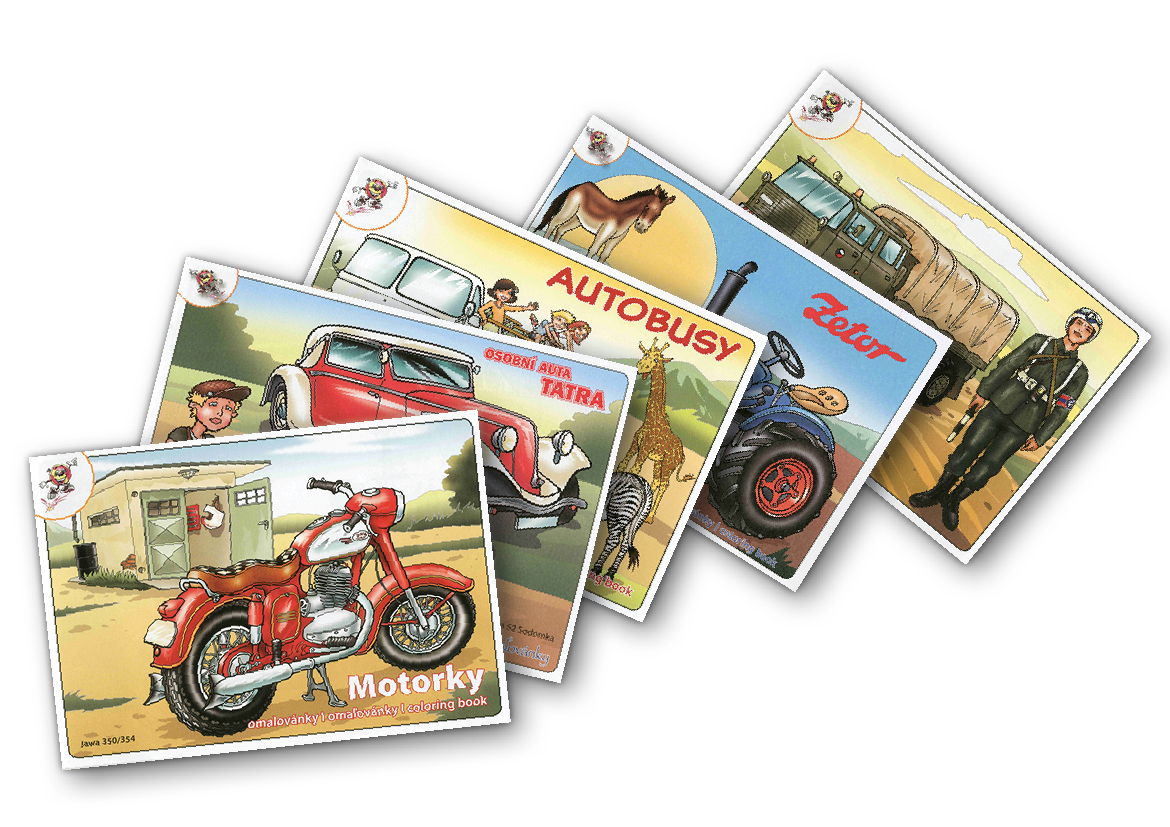
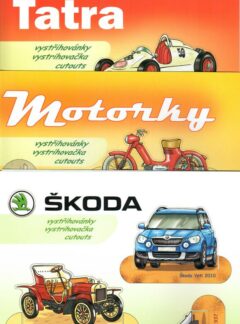
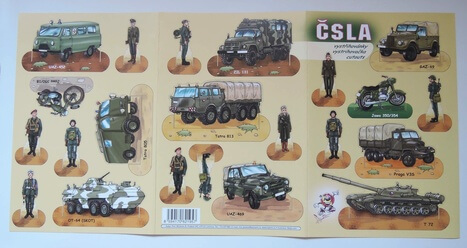
Coloring book containing 8 colorful images of historical vehicles.


Price range: 18,00 Kč through 29,00 Kč
Coloring book containing 8 colorful images of historical vehicles.
Coloring book containing 8 colorful images of historical vehicles.
| Weight | 0,025 kg |
|---|---|
| Variant | Airplanes, Tatra trucks, Construction machinery, Tatra LUX, Trains, Buses, ČSLA military equipment, Motorcycles, Tatra cars, Škoda I, Škoda II, LUX tractors, Zetor |
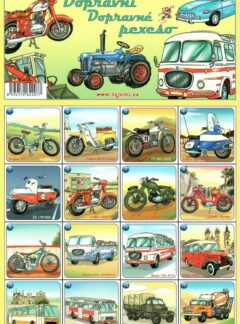
Memory game consisting of 32 pairs of photographs of historical means of transport.
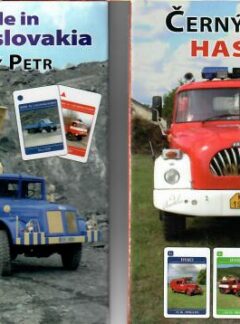
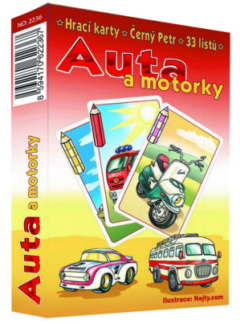
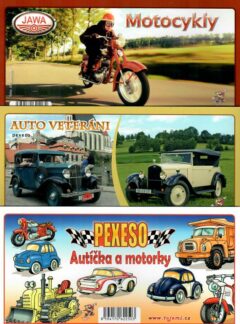
33 playing cards with painted pictures of vintage vehicles. Includes instructions for the game. The game is suitable for three or more players.
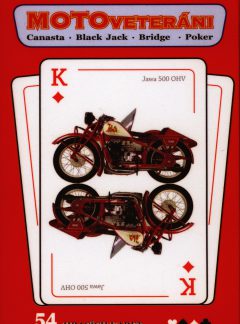
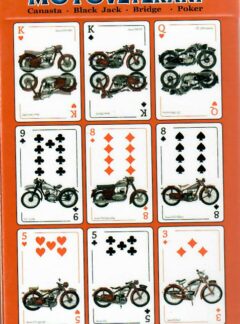
54 playing cards with photos of vintage motorcycles.
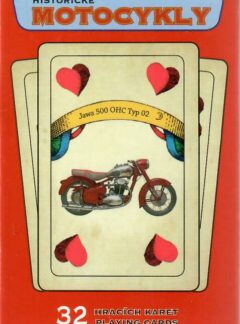
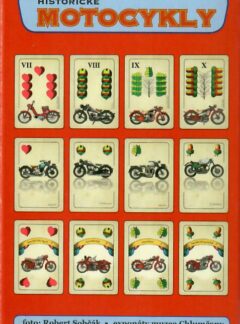
32 playing cards with photos of vintage motorcycles.
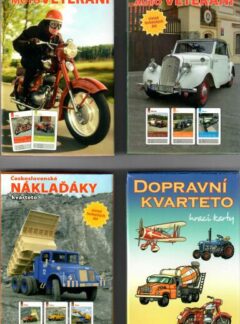
32 playing cards with pictures of vintage vehicles. The game includes instructions.
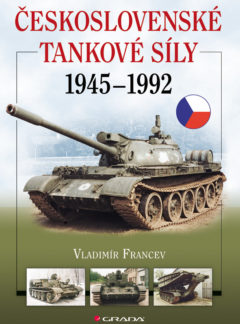
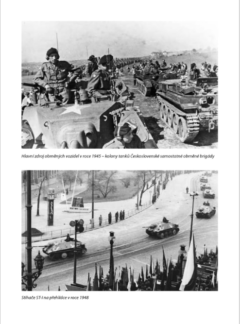
The author, who has already made his mark on readers' consciousness as a specialist and expert in mobile military equipment through the content of previous publications, has compiled an almost fifty-year history of tank units that formed the main striking force of the post-war Czechoslovak army. The text describes the individual phases of the development of armored vehicles in terms of design and progress, production base, organizational structure and expected use. Above all, political aspects influenced the development, production and internal army organization, but also the entire operation of the national economy, which in peacetime produced hundreds of tanks during the year at high financial costs and human resources. Statistics of domestic production with stunning numbers prove possible competition with the largest superpowers, such as the then USSR and the USA. The clear chronological form of the individual types, as well as the entire content of the new book, will refresh the memories of all who have mastered the described equipment, will delight experts, historians and expand the knowledge of fans and members of military clubs.
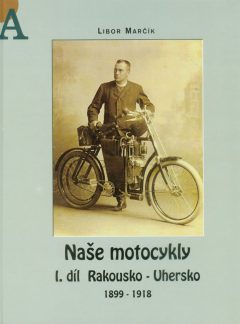
The publication captures almost unknown manufacturers and brands of motorcycles that were produced in the territory of the then Austria-Hungary. The reader will discover an incredible number of motorcycle manufacturers built in the vast majority of only one or a few pieces. Rapid changes in the development of motorcycle design are evident when compared with today's two-wheeled vehicles produced in large series. The publication is important in content for all friends of motorcycle history and the present.
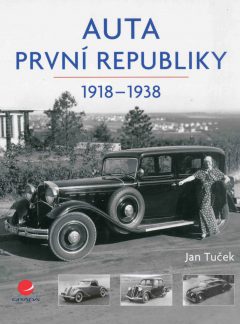
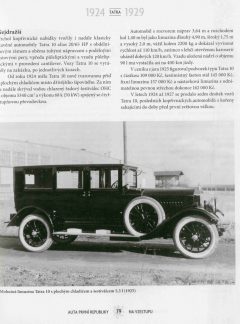
A representative publication with perfectly crafted graphics prepared by a renowned author. The content consists of descriptions of passenger cars manufactured in Czechoslovakia between 1918 and 1938, their basic technical data. In addition to cars from large factories (Praga, Škoda, Tatra), cars from smaller manufacturers (Aero, Jawa, Walter, Wikov, Z) are also presented, as well as cars from small brands (Disk, Enka, Gatter, Isis, Stelka, Trimobil ...) - a total of 33 of the most important brands. In each chapter, the reader will find sales statistics in individual years, period prices and other technical information. A total of 600 exclusively period photographs are used in the chapters of individual production brands. The last chapter contains 52 copies of period brochures of the listed car manufacturers. The new book will be an ornament to the library, a source of much new information, a pleasure for the reader and a joy for the owner ...
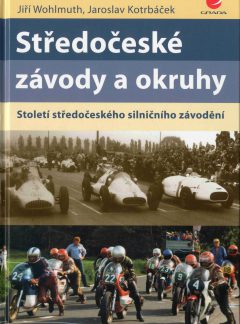
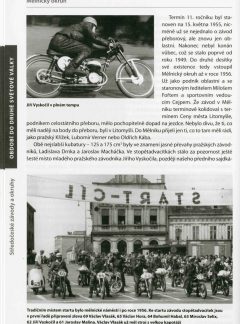
Acceptable distances between populated places, as well as a good road network in Central Bohemia, have made it possible to write an interesting history of racing in this region. Long-distance races, hill races and city circuits began to be held here more than 110 years ago. In many towns, racing had only a fleeting existence and after the first year, no more followed (Kralupy nad Vltavou, Vlašim, Horoměřice, Roztoky u Prahy). However, there were places where racing took place for several decades (Městec Králové – 40 years; Kolín – 16 years; Mělník – 13 years). For each of the thirty-nine places, the authors found the exact race routes, information from the organizing activities and result lists with the names of competitors, both known and unknown, and spiced everything up with interesting facts from the period press. Witnesses will reminisce over the pages, and representatives of the younger generations will wonder where and on what roads the racers fought for supremacy.
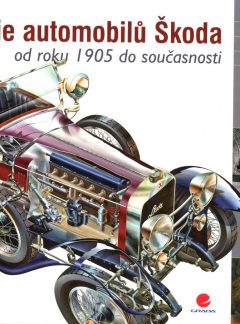
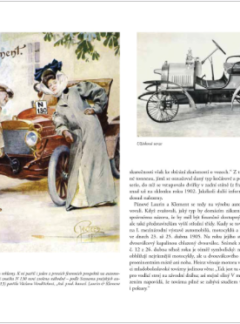
A selection of the most famous cars produced in Mladá Boleslav. The technical development of cars is evident in the individual types from the first Laurinka to the present. Each model is presented in a detailed technical transparency by Jiří Dufek, supplemented by other technical drawings or examples of drawing documentation. The profile of each of the cars on display is illustrated in detail by color and black-and-white photographs from the archives of the authors and the car manufacturer. A large amount of visual material is connected by interesting texts by Jan Králík about the development of individual models, their production and sporting successes, and it also introduces several personalities from the many who have contributed to the success or fame of Mladá Boleslav cars. The narrative color book will delight anyone who is at least a little interested in cars and will certainly appeal to die-hard fans of Škoda cars.
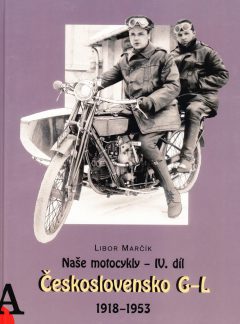
Another part of the extensive work of the author and historian. Already on the page with the contents, the reader will find out that in a sector of only seven letters in alphabetical order, there were 72 motorcycle brands operating in our republic. Small locksmith workshops that produced a single motorcycle or applied a drive unit to a bicycle frame are also captured. Rarely preserved materials have been enriched here with high-quality processing, from graphic preparation to the selection of materials used. The publication will once again significantly advance detailed knowledge of the history of motorcycle production. Libor Marčík's representative publications are always a suitable gift for all motorists, regardless of age or focus.
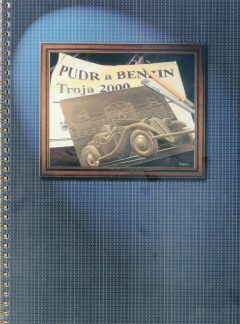
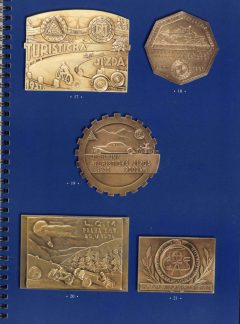
For the exhibition POWDER and BENZÍN Troja 2000, the author prepared a catalogue with images of more than 200 commemorative plaques, often created according to the designs of prominent design figures – Španiel, Nušl, Axmann, Švec, Pištora, Pichl and others. Two criteria were decisive for the selection – that the plaque was issued in Czechoslovakia in the period before the Second World War. Motoring plaques are nowadays a narrowly specialized collecting discipline. The publication will provide information and can direct thematic creation of private collections.
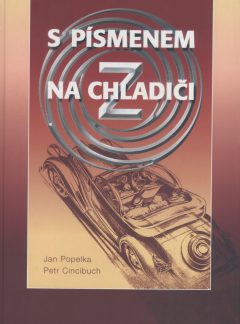
Unium Publishing House, hardcover, format 21.5 x 30 cm, 160 pages. ISBN: 80-902542-2-5.